The Rise of Full Fibre in the UK
In the world of broadband, you may have come across the term “Altnet“. It stands for alternative network provider, and it refers to companies that build and operate their own broadband infrastructure, separate from the national network run by Openreach (which is part of BT) or other incumbents like KCom in Hull, or established cable company Virgin Media.
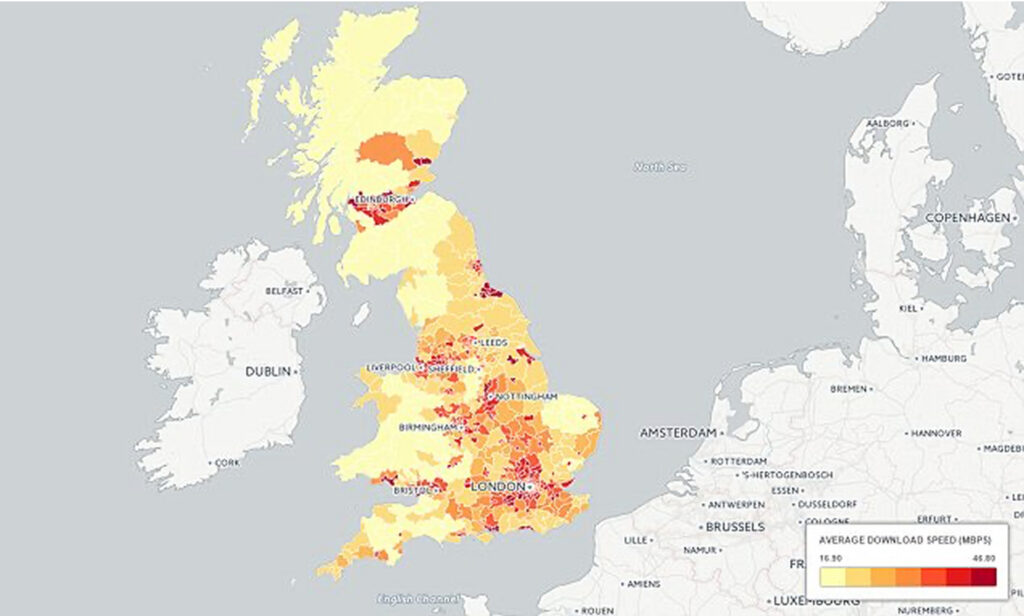
Until recently for most of the UK was still relying on old copper-based connections for their home or small business Internet. Progress towards a modern full fibre digital infrastructure was slow, and while other countries were racing ahead with fast, reliable connections, the UK risked being left behind.
Connections through the copper fixed-line telephone network are provided by BT Openreach, even when the Internet provider is a different company Sky, TalkTalk, or Vodafone. These companies rent access to Openreach’s cables and there was little incentive for Openreach to shift to a modern full fibre network.
The slow pace of change led to the growth of a new wave of start-up internet providers, known as Altnets (short for “alternative networks”). Starting in the 2010s, these smaller, independent companies began building modern full fibre and wireless networks. Without the encumbrance and cost of running an ageing copper network, these smaller, more agile players were able to connect customers in areas bigger providers had overlooked—especially rural communities and poorly served towns.
Working together through their trade body INCA (the Independent Networks Co-operative Association), the Altnets made the case that Britain urgently needed better digital infrastructure. Their efforts paid off: in 2016, the government adopted their recommendations as part of a new national policy for the telecoms sector.
This shift unlocked huge investment. Over £40 billion has now been committed to upgrading the UK’s broadband, with Altnets, BT and Virgin Media all rolling out fast, reliable full fibre connections. BT itself switched strategy, moving from squeezing more life out of the old copper lines to a “Fibre First” approach.
The results are clear. Today, nearly 80% of the country can access full fibre broadband—bringing faster, more reliable internet at highly competitive prices for homes and businesses alike. It is a UK success story, led by a group of innovative and entrepreneurial British companies – the Altnets.
So, if you’re checking out broadband deals and see a provider offering “full fibre from an independent network,” there’s a good chance it’s from an Altnet.
| Lorem Ipsum | Lorem Ipsum | Lorem Ipsum | Lorem Ipsum |
|---|---|---|---|
| Lorem Ipsum | 1292 | 534 | 435 |
| Lorem Ipsum | 2 | 534 | 52 |
| Lorem Ipsum | 244 | 533 | 52 |
| Lorem Ipsum | 4 | 355 | 642 |
| Lorem Ipsum | 4324 | 356 | 26 |
| Lorem Ipsum | 4 | 233 | 39 |
| Lorem Ipsum | 432 | 23 | 21 |
| Lorem Ipsum | 324 | 267 | 415 |
| Lorem Ipsum | 4324 | 742 | 515 |
| Lorem Ipsum | 235 | 243 | 64 |
Benefits of UK Full Fibre Altnets for Consumers and Businesses
- Local Focus and Support — Many altnets are regionally-based and offer more personalised customer service, with a better understanding of local needs. Often they also support local community initiatives and organisations.
- Faster Speeds — Altnets typically deliver gigabit-capable (often symmetric) full fibre connections, offering much faster upload and download speeds than traditional copper-based networks..
- Greater Reliability — Full fibre connections are less affected by interference, distance, or weather, resulting in a more stable and consistent service.
- More Competition — Altnets introduce new options into the broadband market, encouraging established providers to improve their services and pricing.
- Competitive Pricing — Many altnets offer lower or more flexible pricing than traditional providers, giving customers better value and alternative packages. Often they can include no mid-contract price increases unlike the major legacy providers.
- Inclusive Coverage — Altnets often serve areas that have been overlooked by larger providers, including rural regions, small towns, and under-connected urban zones.
- Future-Proof Technology — Full fibre networks can handle increasing data demands, making them ideal for the growing use of smart devices, remote working, and high-definition streaming.


